Home Loan Eligibility: Who Can Get a Home Loan?
Understand the key factors lenders consider when evaluating home loan eligibility, including income, credit profile, existing obligations, property details and repayment capacity.
By Vinayakam Solutions Editorial Team · 7 min read · Published 15 Aug 2026 · Updated 15 Aug 2026

What does home loan eligibility mean?
Home loan eligibility refers to whether a lender is willing to consider a borrower for a particular loan amount and on what terms. Eligibility is not determined by a single factor. Lenders generally assess the borrower's financial profile, repayment capacity, credit history, property details and their applicable lending policies.
Income and repayment capacity
Income is an important part of a home loan assessment because it helps the lender evaluate repayment capacity. Salaried applicants may be assessed using salary and employment information, while self-employed applicants may need to provide business and income-related financial records. Existing EMIs and other regular obligations can also affect the amount a borrower can comfortably repay.
Credit profile and repayment history
Lenders may review credit history and repayment behaviour while assessing a home loan application. A healthy credit profile can support the assessment, but a credit score by itself does not guarantee approval. The lender considers the overall financial profile and its own credit policy.
Existing loans and financial obligations
Existing personal loans, vehicle loans, credit card obligations and other financial commitments can affect repayment capacity. Before applying, review your current monthly obligations and consider whether the proposed home loan EMI would remain manageable alongside them.
Property and transaction details
The property itself is an important part of a home loan assessment. Lenders may review the property's legal and technical documents, title, approvals, location and transaction details. Requirements can vary depending on the property type and lender.
Home loan eligibility for salaried applicants
Salaried applicants are commonly assessed using employment details, salary information, bank statements, existing obligations and credit history. Keeping recent income and banking documents organised can make the application process smoother.
Home loan eligibility for self-employed applicants
Self-employed applicants may be assessed using income-tax returns, financial statements, business banking records and other evidence of income and business continuity. The exact documentation and assessment method depends on the lender and applicant profile.
How to improve your chances before applying
Review your credit report, keep existing repayments regular, organise income and banking documents, reduce unnecessary outstanding obligations where practical, and choose a loan amount that fits your repayment capacity. Comparing lender requirements before submitting an application can also help avoid avoidable delays.
Why a pre-eligibility check can help
A preliminary eligibility assessment can help you understand a realistic loan range before moving ahead with a property transaction. It should be treated as an indicative assessment rather than a guarantee of sanction, because final approval depends on lender verification and underwriting.
Related Reading
Continue reading
Explore related guides to better understand your loan options and application requirements.
CIBIL Score Guide
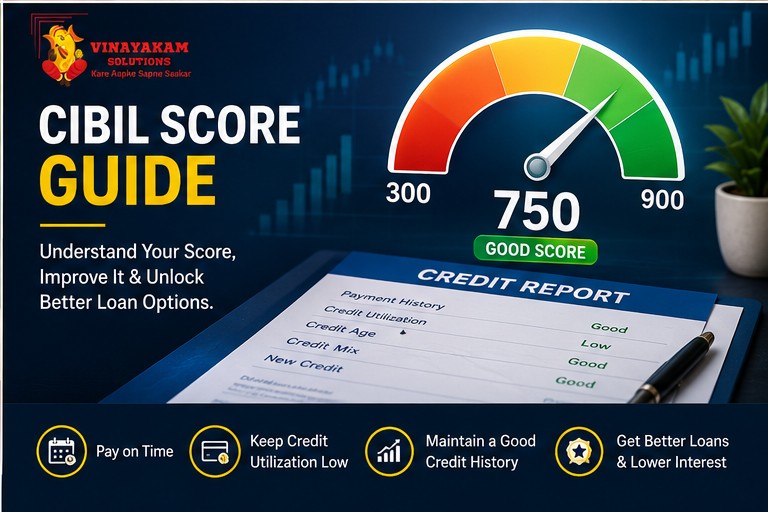
Understand credit history and practical habits that support a healthy credit profile.
Read guide →Home Loan Documents Checklist
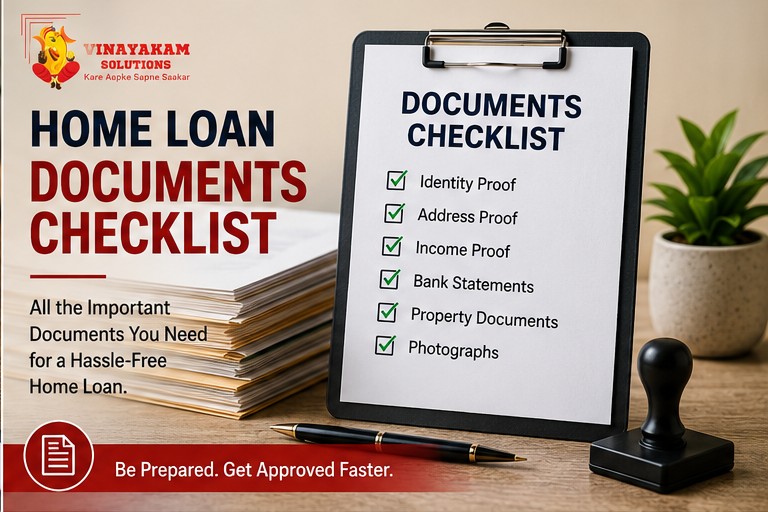
Prepare the common documents that may be requested during a home loan application.
Read guide →Home Loan Interest Rate Guide
Compare the factors that influence interest cost, EMI and loan tenure.
Read guide →